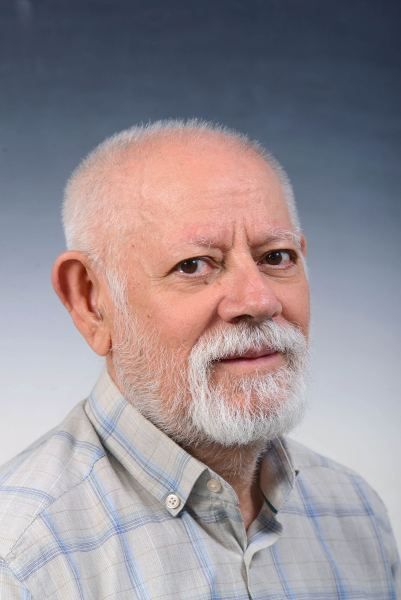
Artists

The artists of the Municipality of Neo Heraklion, Attica, are the creative force that transforms everyday life into expression, emotion, and inspiration. Through painting, music, theater, dance, literature, and every form of art, they give voice to the thoughts and dreams of the local community. They create works that unite, awaken, and cultivate aesthetics and spirituality, highlighting New Heraklion as a place where creativity is not a luxury, but a way of life. With consistency, passion, and dedication, the Municipality’s artists illuminate public spaces with ideas and colors, strengthening cultural identity and leaving a mark that extends beyond the city’s borders.

Manolis Anagnostakis

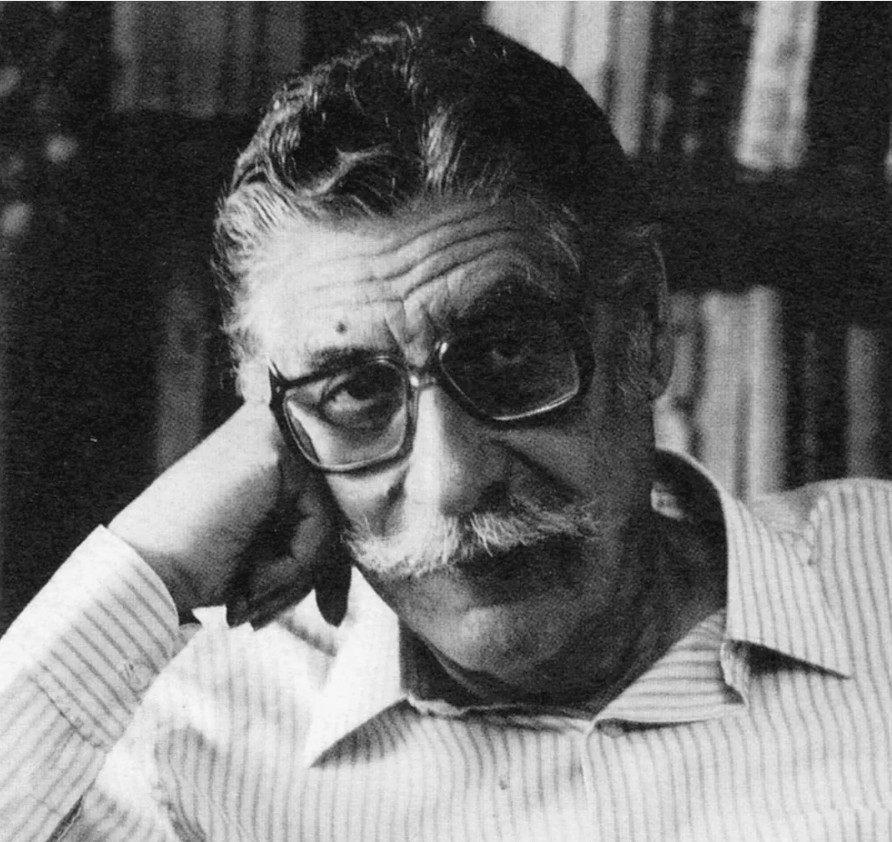
Manolis Anagnostakis (1925–2005) was one of the most significant Greek poets of the postwar generation. Born in Thessaloniki, he studied Medicine and practiced it briefly. His poetry is intensely political, spare, and sharp, shaped by the Resistance, the Civil War, and the social unrest of his time. He was a committed member of the Left and thus suffered persecution and imprisonment. Composers Mikis Theodorakis, Thanos Mikroutsikos, Dimitris Papadimitriou, and Michalis Grigoriou set many of his poems to music, and his work has been translated into English, French, German, and Italian. Alongside poetry, Anagnostakis was involved in literary reviews and the editing of literary journals, contributing actively to the intellectual discourse of his era. His work is marked by existential anguish, irony, and deep reflection on collective responsibility and the betrayal of ideals. He eschewed lyricism in favor of direct, almost straightforward language and is regarded as a poet of defeat and conscious moral stance. His influence on contemporary Greek poetry is pivotal and enduring.
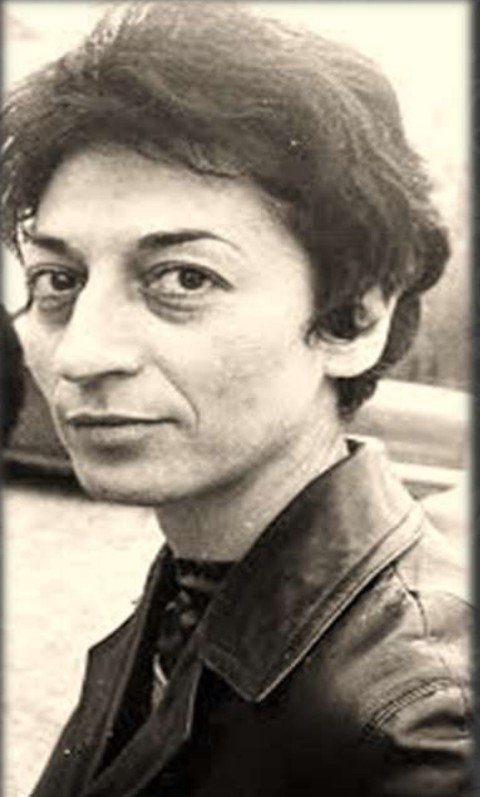
Nora Anagnostaki (1930–2013) was an essayist, literary critic, and translator, honored for her writing with the Special State Prize for Literature. Born in Athens in 1930, she grew up in Magkoufana (present-day Pefki), with roots in Crete and Asia Minor. She studied law but never practiced it. She married Manolis Anagnostakis in 1956, and they had a son, Anestis. In 1957, the family moved to Thessaloniki, and in 1978, relocated to Athens following the destruction of Manolis Anagnostakis’s radiology laboratory in an earthquake. Starting in 1959, she became a key collaborator on her husband’s journal “Kritiki,” handling editing, translation, and proofreading tasks. She began publishing her own essays there, while also contributing periodically to the journals “Endochora,” “Nea Poria,” and “Chroniko.” In 1970 she participated in the publication “Eighteen Texts” and, together with a group of associates, opened the bookshop “Vivliothiki” in central Thessaloniki. Her critical work is distinguished by rigorous theoretical grounding, engaging with the literary currents of the 1950s — in particular the French nouveau roman — while also offering original and penetrating criticism of prewar and postwar Greek writers, including Eleni Vakalo, Kleitos Kyrou, D. P. Papaditsas, Miltos Sachtouris, and Giorgos Seferis. She was awarded the Special State Prize for Literature in 1996 and passed away in Athens on December 31, 2013, at the age of 83.
Alexis Akrithakis was one of the most distinctive and unconventional figures in postwar Greek art. Born in Athens, he embraced a strongly bohemian way of life early on, becoming part of vibrant artistic and intellectual circles. Writers and thinkers such as Giorgos Makris and Kostas Tachtsis played an important role in shaping his outlook. In 1958, he traveled to Paris, where he came into contact with existentialist ideas and the emerging currents of the avant-garde art scene. After returning to Greece, he exhibited his first paintings and, in 1965, held his first major solo exhibition at the French Institute of Athens. In 1968, he settled in Berlin on a DAAD scholarship, and, from the 1970s onward, worked closely with Alexander Iolas. His work is characterized by his distinctive “tsiki tsiki” script, vivid colors, and recurring motifs such as suitcases, little boats, hearts, birds, and arrows. His principal series of drawings and editions include “Suitcases,” “Ships,” “Arrows,” and “Circus” (1986, with Giorgos Lappas). He died in 1994, leaving behind a rich and influential body of work.
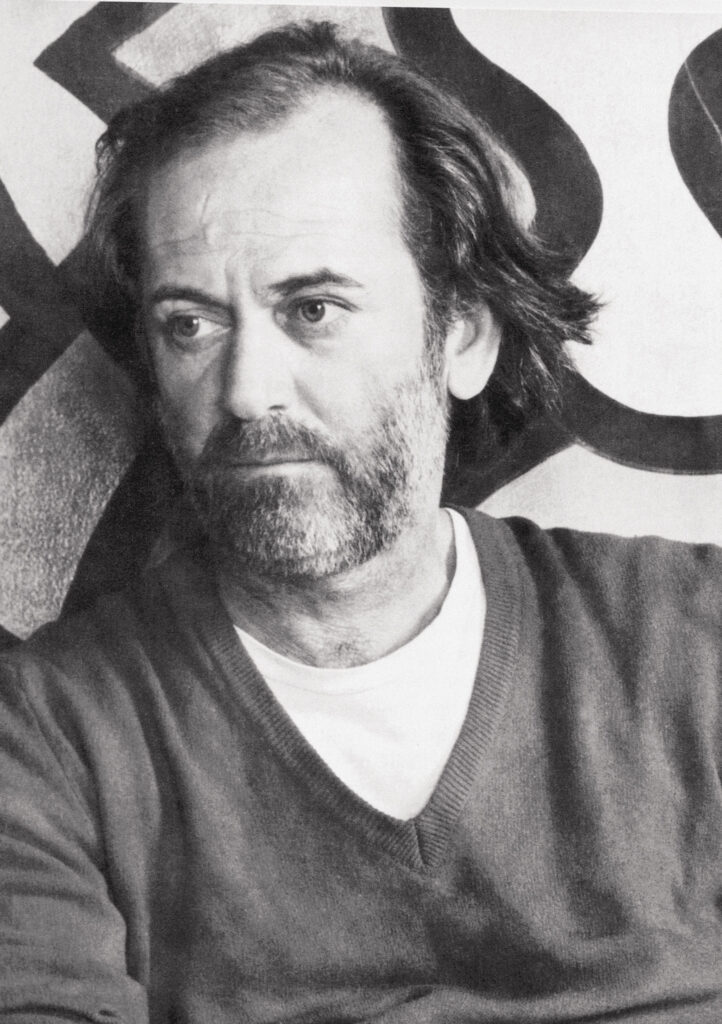
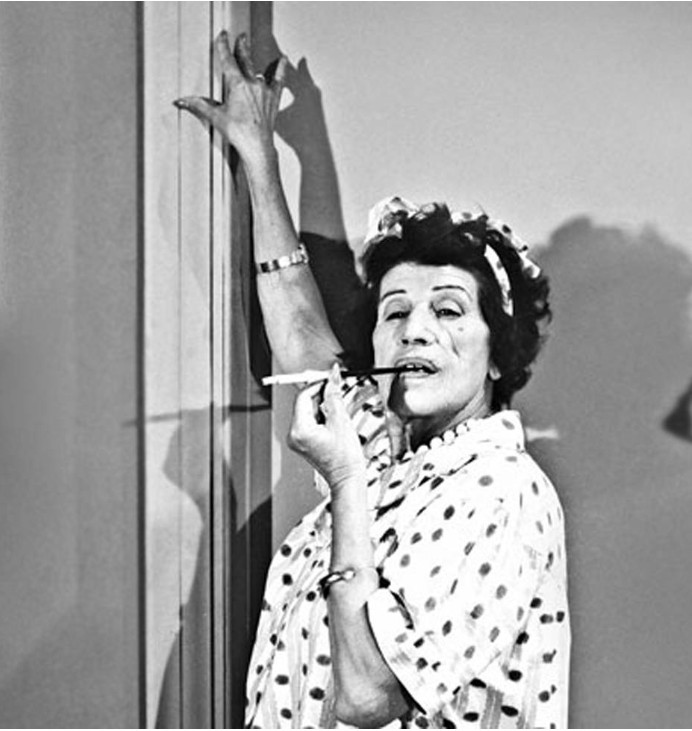
“Georgia Vassiliadou (maiden name Athanassiou) was born in Athens on New Year’s Day, 1897. Forced to leave school early to help her family financially, she worked as a saleswoman in shops. Despite these hardships, she studied vocal music at the Gennadios School and began her artistic career in lyric theater. She went on to work with major theater companies of the era, including those of Kyveli, Marika Kotopouli, and Emilios Veakis. In the mid-1930s, following an unsuccessful marriage, she temporarily withdrew from the stage to devote herself to raising her daughter. In 1939, however, Alekos Sakellarios gave her the opportunity to return to acting, marking the second and more brilliant phase of her career. In films she established herself during the 1950s as a leading comic actress, with memorable roles in films such as “”To Stravoxilo,”” “”I Theia apo to Chicago,”” and “”I Kyra mas i Mami.”” Audiences fondly remember Georgia Vassiliadou for her self-deprecating humor and her iconic fortune-telling catchphrases. Beyond her artistic career, she also served as vice-president of the Municipal Council of Heraklion in Attica. She passed away on February 12, 1980, at Evangelismos Hospital, leaving a lasting legacy in Greek theater and cinema.

“Marika Nezer was born in 1906 in Constantinople into a prominent theatrical family. She became especially well known for her work in musical theater, variety revues, and film, where she excelled as a character actress. Her stage career began alongside her sister Katina Nezer, with the two performing as a duo known as “Ta Nezerakia.” At the age of 13, she made her debut in the tragedy Oedipus Rex in Cairo, while a year later she appeared in Dimitris Koromilas’s play O Agapitikos tis Voskopoulas [The Shepherd Girl’s Sweetheart]. From 1927 onward, Marika Nezer collaborated with the I. Papaioannou Theater Company, appearing in operettas such as “The Dance of Fortune,” “Mamselle Nitouche,” “Halima,” and “Secret Romance.” She later turned to revue theater, where she performed alongside Sofia Vempo. In 1935, she co-directed her own theater company with Vassilis Avlonitis.
Among her most celebrated performances were her first performance of Madame Sousou in Dimitris Psathas’s play in 1940, the same role in its 1948 film adaptation, and the role of Kyra Despoina in the comedy Tis Kakomiras, also known as Bakalogatos, directed by Dinos Katsouridis in 1963.
Marika Nezer also appeared in numerous films, including Jeep, Periptero kai Agapi [Jeep, Kiosk and Love] (1947), Enas vlakas kai misos [One and a Half Fool] (1959), To gelio vgike ap’ ton paradiso [Laughter Came Out of Paradise] (1963), and Enas afragos Onassis [A Penniless Onassis] (1969).
She was married to Errikos Kontarinis, was the sister of Christoforos Nezer, and the granddaughter of Christoforos Nezer, who served as the first garrison commander of the Acropolis and aide-de-camp to Otto of Greece. She passed away on July 18, 1989.”
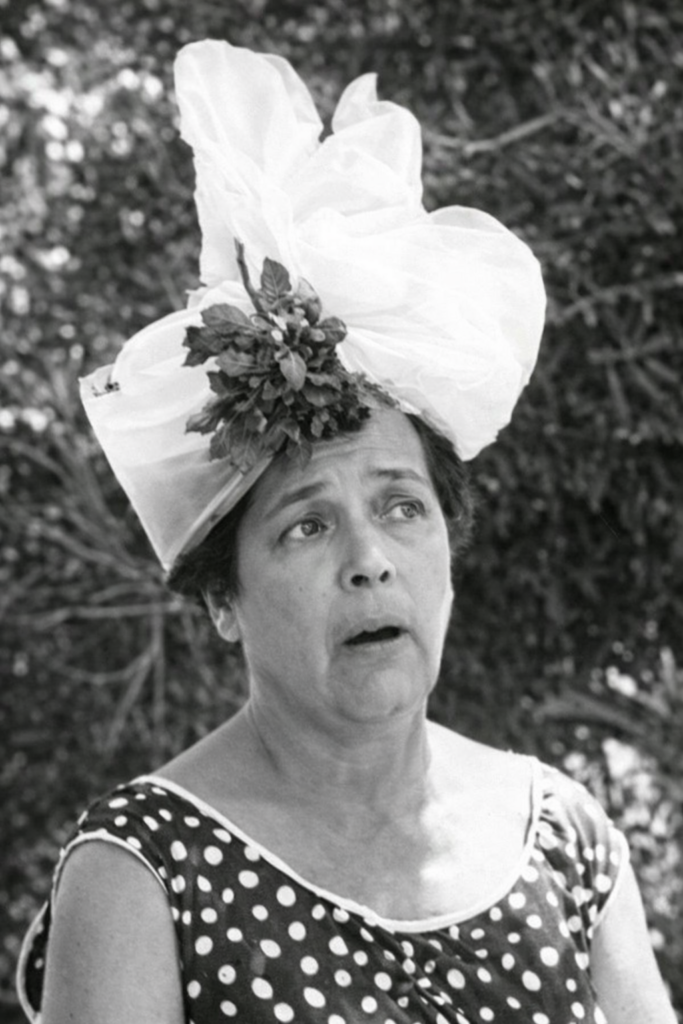
“Christoforos Nezer was born in Athens in 1887 and is regarded a leading figure of Greek theater. Coming from a theatrical family, he inherited his passion for theatre from his father, who was also an actor. Entirely self-taught, he made his stage debut at the age of 20 and went on to enjoy a career spanning more than five decades, collaborating with all the major actors and theater companies of his time. From 1910 to 1918, Christoforos Nezer was a member of Kyveli’s theater company. In 1921, he co-founded the Artistic Theater Company together with Emilios Veakis, where he performed a series of important roles — most notably Harpagon in Molière’s The Miser, a performance that became one of the defining achievements of his career.
He was among the first actors to join the newly established National Theatre of Greece in 1931, distinguishing himself during this early period in the role of the Anatolian in Dimitrios Byzantios’s Babylonia. In 1935, he joined the Aliki–Mousouri company, where he delivered two more landmark performances: César, the Marseillais character in Marcel Pagnol’s play, and the Greek father in Spyros Melas’s Papa Gets an Education.
In 1938, he returned to the National Theatre of Greece, and stayed for the next 32 years, performing many leading roles from the international drama repertoire.
Beginning in 1957, Christoforos Nezer took on leading roles in all eleven surviving Aristophanes’ comedies, participating in Alexis Solomos’s ambitious effort to revive Attic comedy. His performances received enthusiastic acclaim at both the Ancient Theatre of Epidaurus and the Athens Festival.
One of the high points of his career came in 1951, when he appeared at the Comédie-Française in Paris, performing Harpagon in Molière’s The Miser.
Christoforos Nezer was known as an inventive and meticulous actor avoiding superficial effects and refusing to conform to fleeting audience trends. He passed away in Athens on February 19, 1970.”
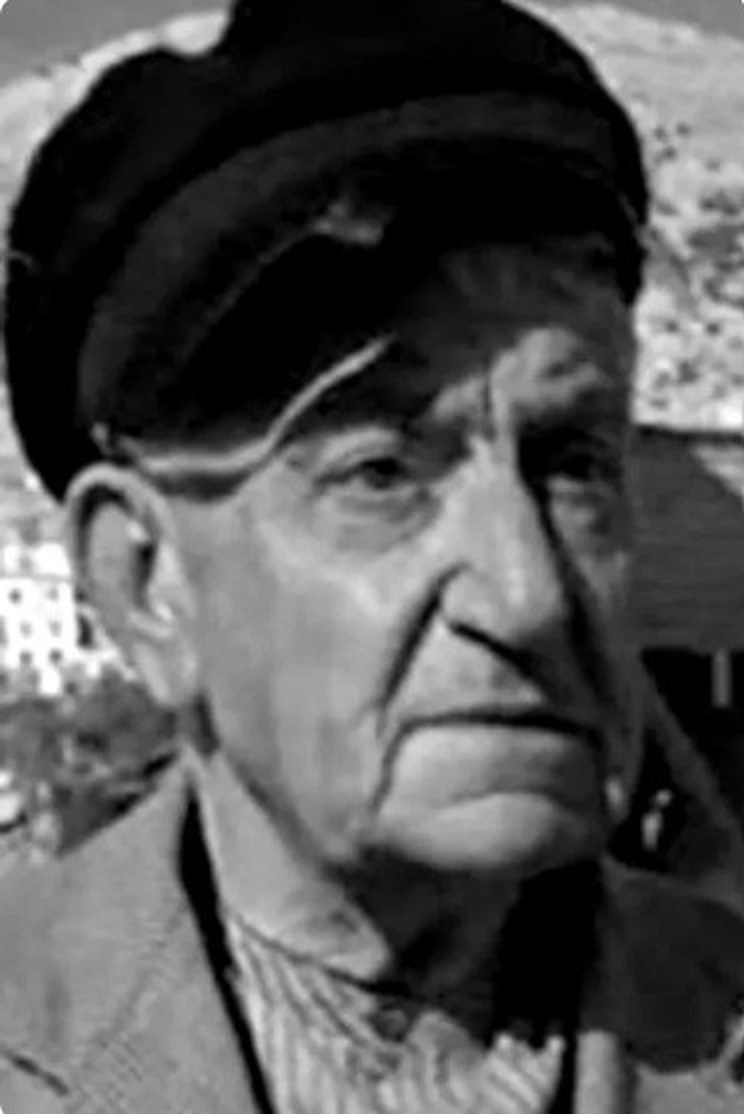
Vasso Papatheodorou-Belitsi was a theater director and actress born in Komotini. She graduated from the directing department of the Lykourgos Stavrakos Film School and also attended the informal Theater Studies and Directing program of the National Theatre of Greece. She studied acting under Vassilis Diamantopoulos and performed in numerous productions with various companies and directors. In 1978, she founded the OTE Workers’ Theater, which continues to operate to this day, and also founded the theater of the “”Makrygiannisˮ Cultural Association in Arta. Vasso Papatheodorou-Belitsi also taught acting in public schools in Heraklion, where she staged student plays, such as Alejandro Casona’s Trees Die Standing and Timos Moraïtinis’s The Master of the World.
She directed and performed in a series of one-act plays from both the Greek and international repertoire for the Municipal Radio Station of Heraklion, “Epikoinonia 94.1 FM.” In 1984, she founded the Municipal “Theater Stage” in Heraklion, and from 1990 onward, she also performed as an actress in all of its productions.
In 2004, she directed Toula Boutou’s one-act plays titled An ola allazan [If Everything Changed] at the Theater of Hope. Besides theatre, she also directed two short films and in 1999 joined the Greek Centre of the International Theatre Institute. She passed away in 2018.
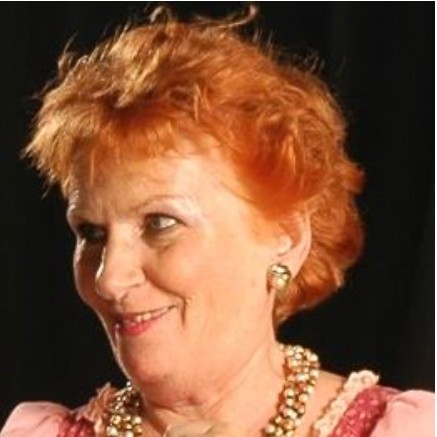
Giota Lydia (born Panagiota Mantaraki) was born on February 24, 1934, in Nea Ionia, into a family of Asia Minor refugees. At a young age, she married the composer Stratos Attalidis, with whom she had her only son. Her singing career began in 1954, encouraged by her husband and the composer Gerasimos Klouvatos, while the conductor Chrysinis gave her the stage name “Lydia.” Gifted with a remarkable voice and strong performing talent, she quickly rose to stardom and went on to collaborate with some of the most important composers of Greek popular music, including Vassilis Tsitsanis, Yiorgos Papaioannou, Manolis Chiotis, Kostas Mitsakis, Apostolos Kaldaras, and Akis Panou.
A defining milestone in her career was the song Sy mou haraxes poreia [You Charted My Course]. Throughout her career, she explored every genre of Greek popular music and collaborated with leading performers such as Stelios Kazantzidis, Marinella, and Stratos Dionysiou.
In later decades, she toured internationally and worked with renowned composers including Mikis Theodorakis and Giannis Markopoulos. Her final recording was alongside Vangelis Konitopoulos.
Her biography was published in 2006, documenting the remarkable journey of her long and influential career in Greek popular music.
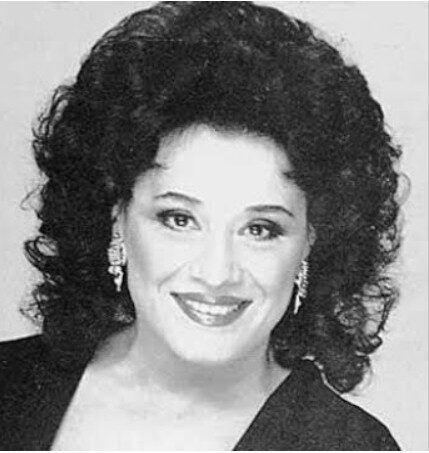
“Antonios A. Theodoropoulos (1927–2011) was born in Heraklion, Attica and lived there his whole life. He was the son of Vasileia Boleti, a native of Asia Minor, and Andreas Theodoropoulos from Achaia. He studied at the Panteion University and also earned a diploma in French language from the French Institute of Athens.
His strong interest in Administrative Law brought him into close contact with Michail Stasinopoulos, with whom he developed a lasting friendship. At the same time, he published significant studies and articles concerning the structure and operation of local government administration.
From 1947 tol 1982, Antonios A. Theodoropoulos worked for the Municipality of Heraklion, playing a decisive role in improving its administrative organization. His publications on local government institutions became valuable reference works for municipalities and communities throughout Greece.
One of his most important achievements was the founding of the Municipal Library of Heraklion in 1966, an initiative inspired by his shared love of books with Theodoros Kriezis. The crowning accomplishment of his intellectual life was the book Heraklion, Attica (Iphistia – Hephaestia – Arakli), an extensive historical study of the region. Alongside his scholarly work, he also devoted himself to literature, publishing both a historical novel and a collection of poems, leaving behind a rich intellectual legacy.”
Christos Roumeliotakis was born in 1938, in Argyroupoli, Rethymno. After the war, he settled in Nea Ionia in Attica. He studied Law, Political Science, and Economics, and worked as a lawyer. He engaged deeply in the social and political struggles of his time and suffered the fate of the Greek Left movement, being exiled by the military regime to Partheni on Leros, from where he publicly condemned the Soviet invasion of Czechoslovakia in 1968. After the restoration of democracy, he joined the United Democratic Left (EDA) party.
Christos Roumeliotakis made his literary debut in 1958 with the poem Piso apo ta vlefara [Behind the Eyelids], published in the esteemed journal Epitheorisi Technis. He later served as publisher of the literary journal Schedia. Over the course of his career, he published significant poetry collections, including Closed Sea (1979), I Am a Stranger and Other Poems (2002), and It Is Nothing and Other Poems (2008). He also produced a significant body of essays, among them Exercises in Self-Awareness (2008), for which he was awarded the State Prize for Essay and Criticism, Arsenals of Underwater Weapons (2009), Assault on the Sky (2012), and Yesterday’s World: Ionia, Our City (2017).
From 1999 to 2010, he served as president of the Takis Sinopoulos Study Center for Modern Greek Poetry. He passed away on July 20, 2018, in Nafplio at the age of 80. Having spent most of his life in Heraklion and Nea Ionia, he left behind a rich literary legacy, inseparably linked to his lifelong commitment to democracy, freedom, and social justice.
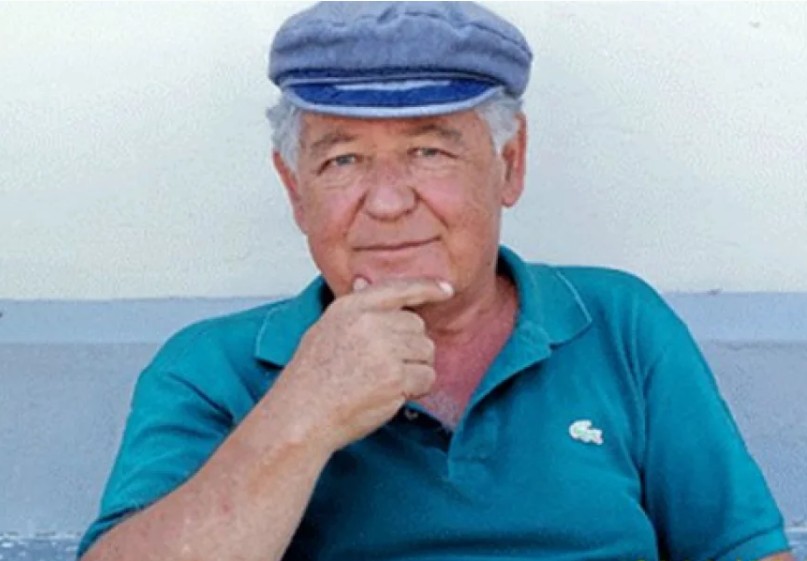
Dimos Moutsis, born in Piraeus, was one of the most distinctive and uncompromising figures in modern Greek music. He studied violin at the Athens Conservatory, where he received first prize as a soloist, gaining a profound classical education that would shape his entire artistic journey. Although he appeared destined for a major career as a violin soloist, his meeting with Manos Hatzidakis and Nikos Gatsos redirected him toward songwriting thus facilitating the creation of a deeply personal musical universe.
Dimos Moutsis made his recording debut in 1967 with the song Vrehei o Theos [God is Raining], beginning a musical journey that uniquely combined elements of popular song with art music and richly distinctive orchestrations. He soon established himself composing songs of exceptional artistic value, most notably the landmark album Agios Fevrouarios (“Holy February,” 1972), which remains a defining work in Greek discography.
He collaborated with distinguished performers and lyricists and introduced new voices to the Greek music scene. From the 1980s onward, he also performed as a singer-songwriter, expressing his personal vision in a direct and daring manner. Unconventional, sincere, and resistant to commercial compromise, he consciously chose to distance himself from the recording industry, yet left behind a timeless body of work that continues to shape and inspire the cultural identity of modern Greece.
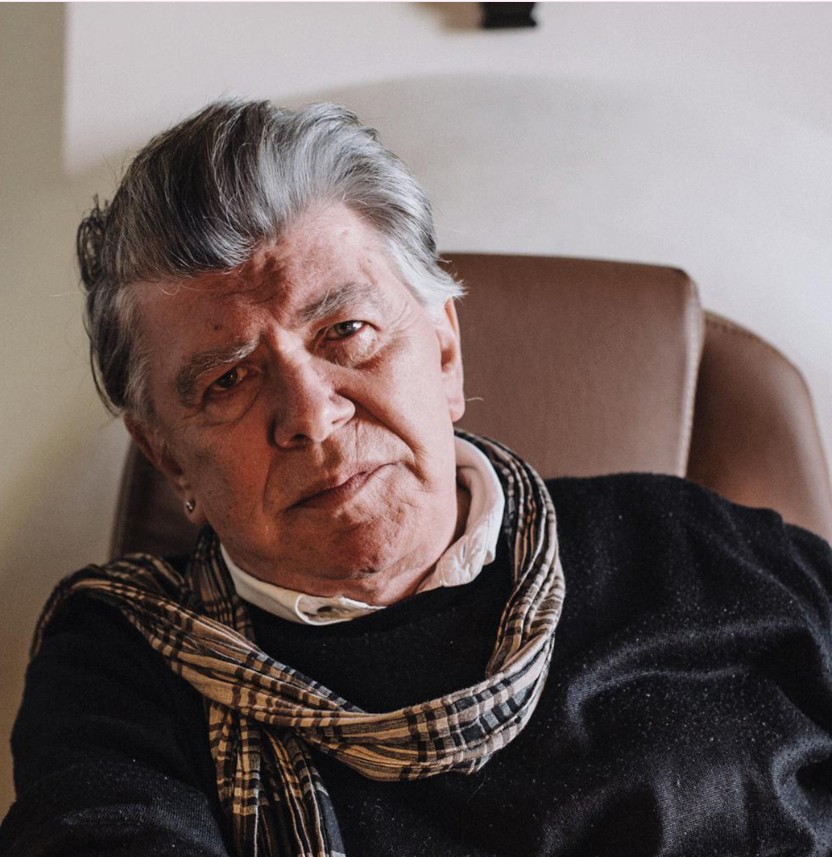
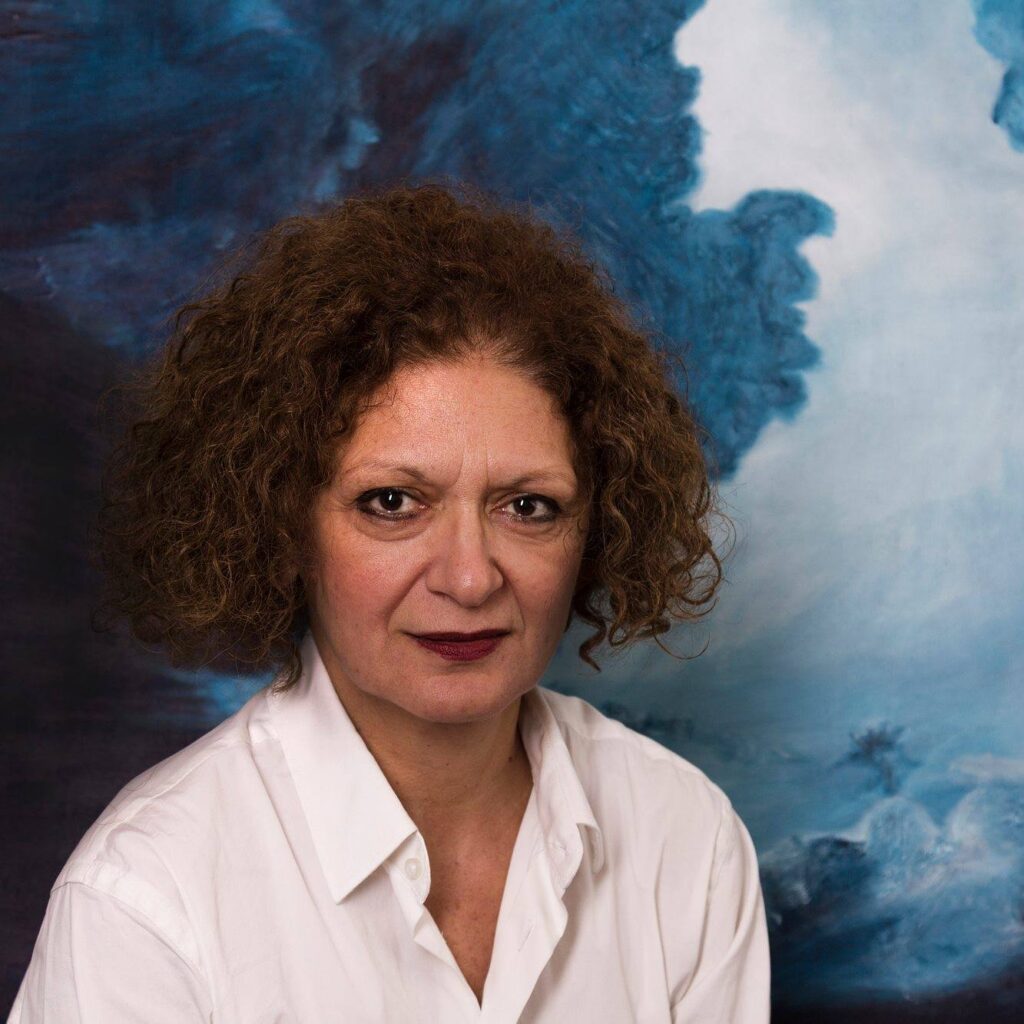
Anna Tsamkosoglou is a painter and visual artist born in Athens and raised on Kalymnos. Her father came from Santorini, while her mother was of Armenian descent. She graduated from the School of Fine Arts of the University of Western Macedonia and later completed postgraduate studies at the same institution in Cultural Studies, Semiotics, and Communication. Anna Tsamkosoglou teaches at the visual arts workshop of the Municipality of Heraklion in Attica. She has presented solo exhibitions and participated in group exhibitions both in Greece and in New York City. She is also the founder of the visual arts forum “Artistic Circle of Florina” and works as an art curator. Her works are included in private collections.
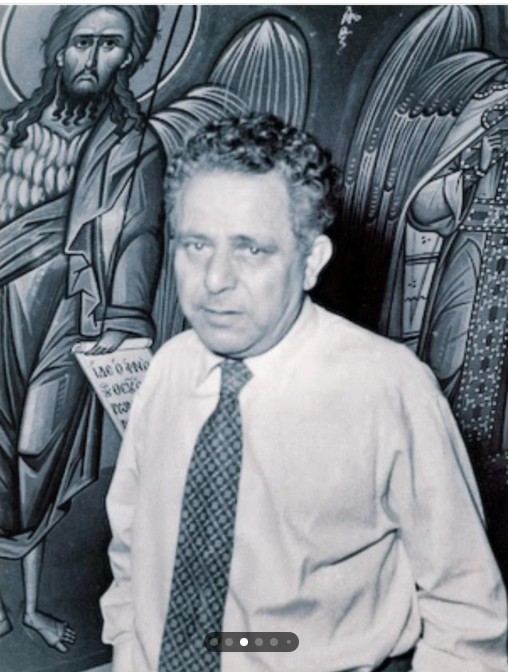
Fotis Kontoglou was one of the most important figures in modern Greek art and the leading force behind the rejuvenation of ecclesiastical painting in the twentieth century. Born in Ayvalık in Asia Minor, he chose to use his mother’s surname, Kontoglou, instead of his family name, Apostolellis. He attended the Academy of Kydonies and later studied at the Athens School of Fine Arts. He also spent time living in Paris, where he wrote the book Pedro Cazas.
A decisive moment in the artistic development of Fotis Kontoglou was his journey to Mount Athos in 1923, where he immersed himself in the study of the Byzantine artistic tradition. He went on to paint the icons and wall paintings of numerous churches across Greece, including the Church of Saint George in Old Heraklion, creating works of exceptional spiritual and artistic significance. Inspired by Byzantine and folk art, his work played a defining role in shaping modern ecclesiastical painting and in establishing an authentic Greek arts expression.
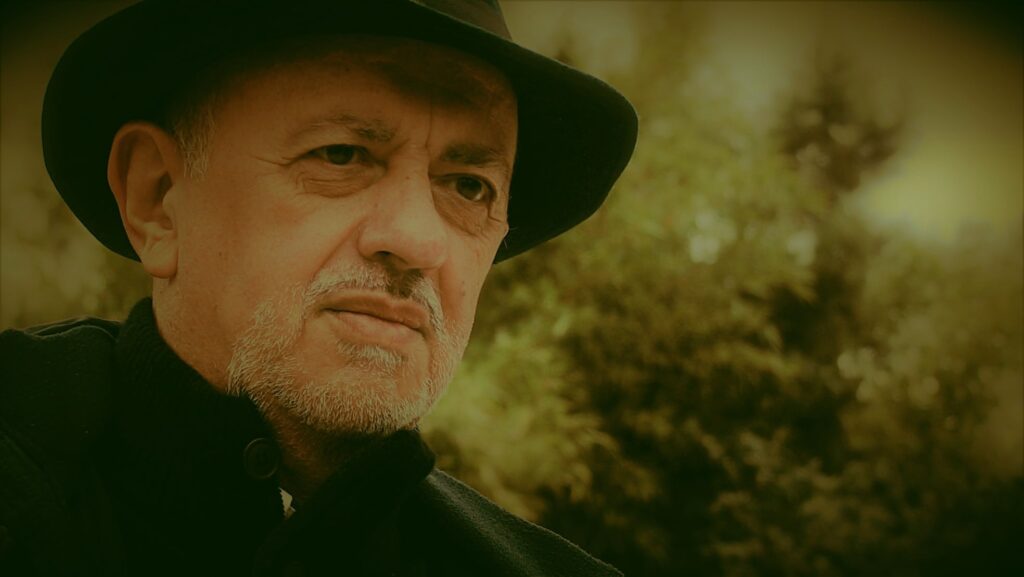
Panos Niavis was born in 1956 in Marathos, in a landscape where the mountains seem to shape both sorrow and silence, and where memory is heavy as stone. In 1977, he graduated from the Merchant Marine Officers’ School and sailed across the world until 1983.
What began as a profession born of necessity gradually became a gateway to broader experience, bringing him into contact with seventy-five countries, diverse cultures, and different political systems. These encounters profoundly transformed his point of view, leading him away from rigid ideologies and toward a deeper focus on the human condition.
Since 1988, Panos Niavis has lived in Heraklion, Attica, where he works in the shipping industry. As both a poet and prose writer, he moves between memory and nostalgia, providing a voice to what often remains unseen or unspoken. Through his writing, he seeks to uncover hidden silences, shaping a distinct and deeply personal path in contemporary Greek poetry and fiction.
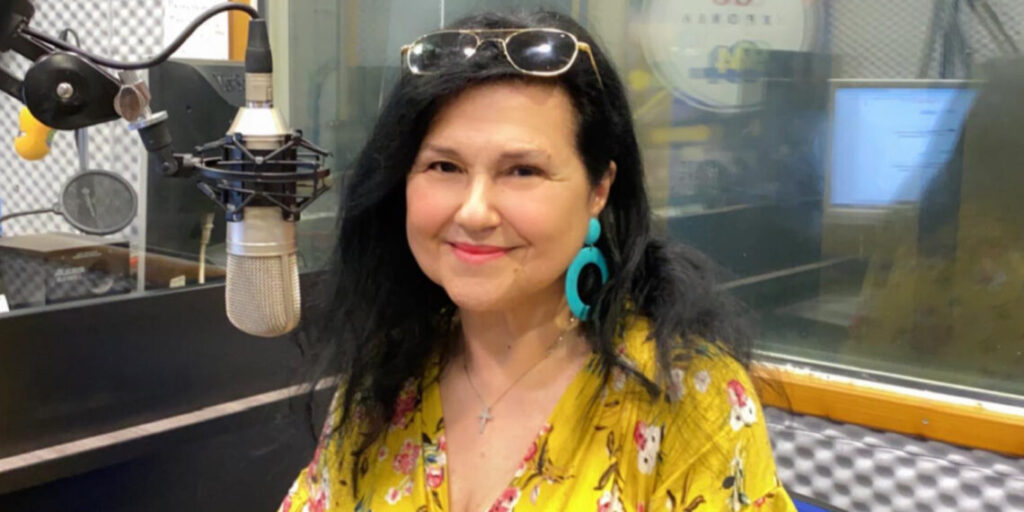
Kleon Grigoriadis is a graduate of the Advanced Drama School of the Karolos Koun Art Theatre (1986). Throughout his career, he has performed leading and starring roles in productions directed by major figures of Greek theater, including Karolos Koun, Giorgos Lazanis, Tasos Bantis, Nikos Mastorakis, Simos Kakalas, Nikita Milivojevic, Maya Lymberopoulou, Giannis Kakleas, and Thomas Moschopoulos, among others. He has performed in all major ancient theaters of Greece, as well as on theater stages abroad including Serbia, the United Kingdom, and Spain. In addition to his theatrical work, he has starred in numerous feature films and series for both Greek public and private television. He is the son of former Mayor of Heraklion, Dr. Giorgos Grigoriadis.

Mary Igglesi is an actress, theater director, and the founder of the only social theater in Greece, the Theater of Free Expression in Athens, located on Lesvou and Apeiranthou Streets. For more than twenty-three years, the theater has offered free access to all vulnerable social groups and the unemployed. She has appeared in major television productions, beginning with the role of Leniо in Nikos Kazantzakis’s Christ Recrucified, directed by Vassilis Georgiadis, and subsequently in Pantheoi, Kosmos kai Kosmas, Monday Theater, The Prince, The Treasure of Angelina, Kostas Karyotakis, and others. In radio, Mary Igglesi collaborated extensively on numerous productions and was personally chosen by Manos Hatzidakis to co-present Every Day Everywhere on the Second Programme — the first live broadcast of its kind in Greece — alongside Konstantinos Tzoumas and Kyriakos Doumos.
The theater founded by Mary Igglesi opened with The Sacrifice of Abraham by Vitsentzos Kornaros, directed by Iakovos Psarras, while it also presented an art exhibition dedicated to Cretan Renaissance, featuring museum items. Since then, the Theater of Free Expression has continued to stage works from the classical, Greek, and international repertoire, while also supporting and presenting plays by emerging playwrights.
Beyond her artistic work, Mary Igglesi served for many years as an elected Municipal Councillor in Heraklion, Attica, as well as Deputy Mayor for Culture. She is married to forensic surgeon Filippos Koutsaftis, and they have two children.
Angelos Galanis is a dentist, writer, and visual artist, born in 1953 in Agrelia. He serves as treasurer of the Association of Dentist Writers and Artists and is actively engaged in amateur sculpture and mosaic art. He also teaches mosaic techniques in collaboration with the Friends of the Nikos Perantinos Museum, as well as with various cultural organizations. Angelos Galanis has presented six solo exhibitions and participated in numerous group exhibitions. Alongside his visual work, he writes poetry and short fiction. In 2022, he received several important distinctions, including first prize in a poetry competition honoring Michaela Averof and dedicated to animals, organized by the Society of Greek Writers together with the National Society of Greek Writers, for his poem Fterougismata stis geitonies tis Palias Athinas [Wing-beats in the Neighborhoods of Old Athens].

Maria Kanellaki was born in Athens and has family roots in Crete. She studied Public Relations and Communication, and has worked for the past twenty-five years in the field of information technology.

Her literary texts were presented in a theatrical production by the POLYDRASI group at the Cultural Center of Chania in July 2014. In October 2020, she was awarded third prize for playwriting from the Society of Arts, Science and Culture of Keratsini (ETEPK) for her work Mourmura al-fo[r]no. In February 2024, she was awarded first prize by the Panhellenic Union of Writers for her novel Embrime Chronia [Colorful Years].

Her published books include Stories of the Neighboring Crisis (2017), Lives of Wild and Stray Saints (2018), In Other People’s Shoes (2020), and Without Borders — On the Wings of Art (2022), all published by 24grammata. She has also contributed to a number of collective literary publications.
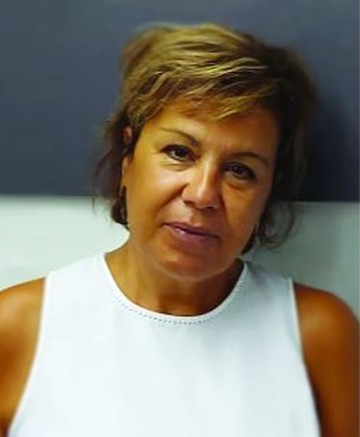
Anastasis Madamopoulos was born in Keratsini and has lived in Neo Heraklion since 1987. He graduated from the Faculty of Philosophy of the Aristotle University of Thessaloniki and worked in private education as a teacher until 2010.

Throughout his teaching career, he authored linguistic studies and educational materials for both teachers and students, taught seminars for primary and secondary school teachers, and designed and piloted innovative school programs. His proposals for “Polyhedral Teaching Activities” have been presented at educational conferences.

Alongside his work in education, Anastasis Madamopoulos has been consistently involved in the arts, engaging in jewelry-making, crafts, painting, and weaving. Furthermore, he has played a significant role in advancing cultural municipal initiatives in Heraklion, Attica, and at the Symi Festival, where he curated and directed a variety of events.

He has served as educational programs advisor for the Theater of Free Expression — Mary Igglesi, writing and editing educational materials for the productions The Sacrifice of Abraham, The Aivaliot Fotis Kontoglou, Moonlight Sonata — Ajax, and The Nostalgic.
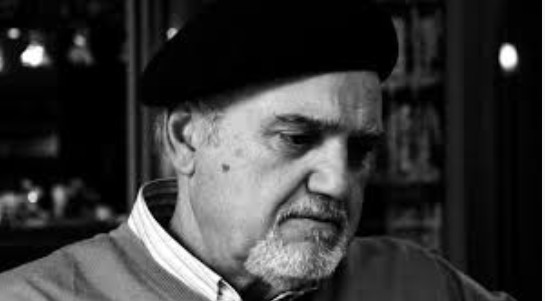
Asimina Xirogianni (1975–) is a writer, theatrologist, and philologist, publishing poetry, prose, and drama. She graduated from the Department of Philosophy of the University of Athens (UOA) and the Department of Theatre Studies (UOA), studied acting at the Theatron-Ergasterion (Embros), and completed her postgraduate studies in the Department of Theatre Studies at the University of Athens, specializing in Drama Teaching. She worked for nineteen years in primary education as a theater specialist and drama animator/facilitator, staging numerous productions with her students and developing many educational programs, primarily on Shakespeare, Aristophanes, and creative writing.

Recently, Asimina Xirogianni has been teaching Ancient and Modern Greek Literature, History, and Philosophy in high schools. Her poetry has been translated into English, Italian, French, Spanish, and Romanian, reflecting the international reach of her work.

Her essays, articles, translations, and critical studies — recorded in 443 entries to date in the Biblionet database under “Xirogianni Asimina” — have been published in both printed and online literary journals, magazines, and blogs.

In 2023, Asimina Xirogianni was nominated for the poetry prize of the Society of Writers of Thessaloniki for her book An Infinite Gaze, published by Vakchikon. Her earlier book My Season is my Poetry (Gavriilides, 2013) was also released in France in translation by Michel Volkovitch under the title Mon époque, c’est la poésie published by Le miel des anges. In 2019, she introduced Mark Strand to Greek readers through the anthology Temporary Eternity (Vakchikon), translating celebrated poems by the renowned Canadian poet.

Asimina Xirogianni is a member of the Society of Writers, the Circle of Poets, and the Panhellenic Scientific Association of Theater Scholars. Alongside her literary activity, she is also engaged in collage art, exploring a fruitful dialogue between visual composition and poetic language. In 2009 she founded the literary blog Varelaki and in 2021 the blog theatrical education.
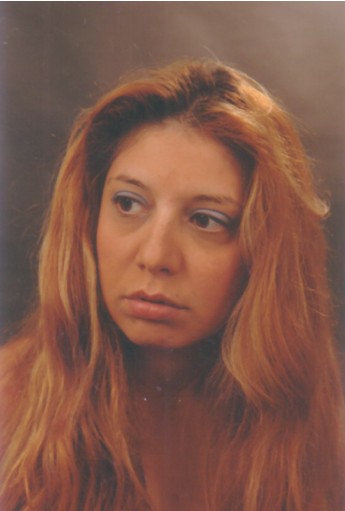
Angelos Razis is regarded as one of the important representatives of contemporary Greek figurative painting. Born in 1943, he developed from an early age a profound connection with drawings, light, and the poetic dimension of the image.
He studied painting and printmaking at the Athens School of Fine Arts between 1968 and 1973 under Nikos Nikolaou and Kostas Grammatopoulos, building a strong artistic foundation and shaping his own distinctive visual language.
A crucial chapter in his artistic development was the period from 1973 to 1980, which he spent in Mithymna on Lesvos. There, he also worked extensively in icon painting — an experience that deeply influenced both his sensitivity to color and the spirituality of his compositions. He later lived in Troyes, France, where he systematically studied Western art and further deepened his artistic pursuits.
His work moves between realism and metaphysical suggestion: interiors, cafés, landscapes, still lifes, windows, chairs, and everyday objects acquire a symbolic dimension in his paintings, while light functions not simply as a pictorial element but as a vessel of memory and inner experience.
His painting is characterized by –
– poetic realism,
– metaphysical vibe,
– contemplative silence,
– subtle tonal relationships,
– Greek light infused with lived memory.
Angelos Razis has presented numerous solo exhibitions in Greece and abroad, including in France, Belgium, Germany, and Cyprus, and has also participated in major group exhibitions. He is a member of the Chamber of Fine Arts of Greece, and his works are found in both public and private collections in Greece and abroad.
For decades, Angelos Razis has remained devoted to the painting of inner truth, where the visible encounters the invisible and everyday reality is transformed into poetry. Many critics and viewers have associated his aesthetic sensibility with the spirit of Giannis Tsarouchis, while recognizing the distinctly personal character of his artistic expression.
For Heraklion, Attica, Angelos Razis represents an important spiritual and artistic presence within the cultural identity of the city.
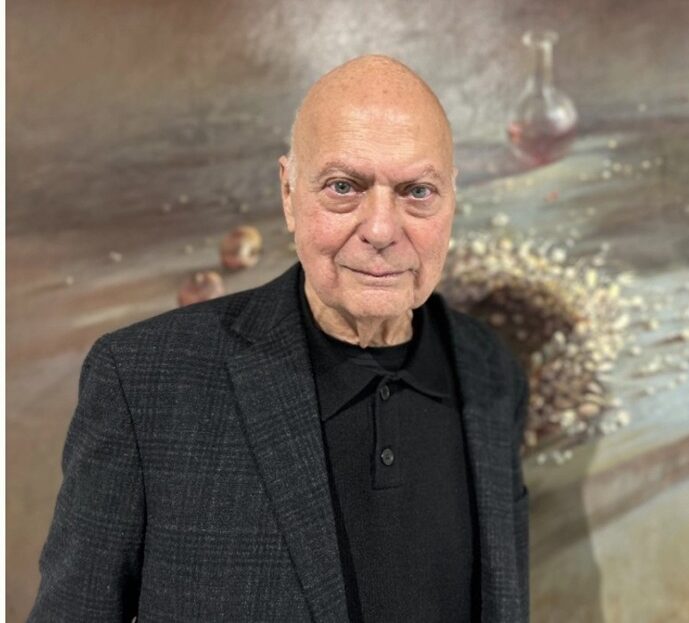

The artists of the Municipality of Neo Heraklion, Attica, are the creative force that transforms everyday life into expression, emotion, and inspiration. Through painting, music, theater, dance, literature, and every form of art, they give voice to the thoughts and dreams of the local community. They create works that unite, awaken, and cultivate aesthetics and spirituality, highlighting New Heraklion as a place where creativity is not a luxury, but a way of life. With consistency, passion, and dedication, the Municipality’s artists illuminate public spaces with ideas and colors, strengthening cultural identity and leaving a mark that extends beyond the city’s borders.

Manolis Anagnostakis

Manolis Anagnostakis (1925–2005) was one of the most significant Greek poets of the postwar generation. Born in Thessaloniki, he studied Medicine and practiced it briefly. His poetry is intensely political, spare, and sharp, shaped by the Resistance, the Civil War, and the social unrest of his time. He was a committed member of the Left and thus suffered persecution and imprisonment. Composers Mikis Theodorakis, Thanos Mikroutsikos, Dimitris Papadimitriou, and Michalis Grigoriou set many of his poems to music, and his work has been translated into English, French, German, and Italian. Alongside poetry, Anagnostakis was involved in literary reviews and the editing of literary journals, contributing actively to the intellectual discourse of his era. His work is marked by existential anguish, irony, and deep reflection on collective responsibility and the betrayal of ideals. He eschewed lyricism in favor of direct, almost straightforward language and is regarded as a poet of defeat and conscious moral stance. His influence on contemporary Greek poetry is pivotal and enduring.

Nora Anagnostaki (1930–2013) was an essayist, literary critic, and translator, honored for her writing with the Special State Prize for Literature. Born in Athens in 1930, she grew up in Magkoufana (present-day Pefki), with roots in Crete and Asia Minor. She studied law but never practiced it. She married Manolis Anagnostakis in 1956, and they had a son, Anestis. In 1957, the family moved to Thessaloniki, and in 1978, relocated to Athens following the destruction of Manolis Anagnostakis’s radiology laboratory in an earthquake. Starting in 1959, she became a key collaborator on her husband’s journal “Kritiki,” handling editing, translation, and proofreading tasks. She began publishing her own essays there, while also contributing periodically to the journals “Endochora,” “Nea Poria,” and “Chroniko.” In 1970 she participated in the publication “Eighteen Texts” and, together with a group of associates, opened the bookshop “Vivliothiki” in central Thessaloniki. Her critical work is distinguished by rigorous theoretical grounding, engaging with the literary currents of the 1950s — in particular the French nouveau roman — while also offering original and penetrating criticism of prewar and postwar Greek writers, including Eleni Vakalo, Kleitos Kyrou, D. P. Papaditsas, Miltos Sachtouris, and Giorgos Seferis. She was awarded the Special State Prize for Literature in 1996 and passed away in Athens on December 31, 2013, at the age of 83.

Alexis Akrithakis was one of the most distinctive and unconventional figures in postwar Greek art. Born in Athens, he embraced a strongly bohemian way of life early on, becoming part of vibrant artistic and intellectual circles. Writers and thinkers such as Giorgos Makris and Kostas Tachtsis played an important role in shaping his outlook. In 1958, he traveled to Paris, where he came into contact with existentialist ideas and the emerging currents of the avant-garde art scene. After returning to Greece, he exhibited his first paintings and, in 1965, held his first major solo exhibition at the French Institute of Athens. In 1968, he settled in Berlin on a DAAD scholarship, and, from the 1970s onward, worked closely with Alexander Iolas. His work is characterized by his distinctive “tsiki tsiki” script, vivid colors, and recurring motifs such as suitcases, little boats, hearts, birds, and arrows. His principal series of drawings and editions include “Suitcases,” “Ships,” “Arrows,” and “Circus” (1986, with Giorgos Lappas). He died in 1994, leaving behind a rich and influential body of work.

“Georgia Vassiliadou (maiden name Athanassiou) was born in Athens on New Year’s Day, 1897. Forced to leave school early to help her family financially, she worked as a saleswoman in shops. Despite these hardships, she studied vocal music at the Gennadios School and began her artistic career in lyric theater. She went on to work with major theater companies of the era, including those of Kyveli, Marika Kotopouli, and Emilios Veakis. In the mid-1930s, following an unsuccessful marriage, she temporarily withdrew from the stage to devote herself to raising her daughter. In 1939, however, Alekos Sakellarios gave her the opportunity to return to acting, marking the second and more brilliant phase of her career. In films she established herself during the 1950s as a leading comic actress, with memorable roles in films such as “”To Stravoxilo,”” “”I Theia apo to Chicago,”” and “”I Kyra mas i Mami.”” Audiences fondly remember Georgia Vassiliadou for her self-deprecating humor and her iconic fortune-telling catchphrases. Beyond her artistic career, she also served as vice-president of the Municipal Council of Heraklion in Attica. She passed away on February 12, 1980, at Evangelismos Hospital, leaving a lasting legacy in Greek theater and cinema.

“Marika Nezer was born in 1906 in Constantinople into a prominent theatrical family. She became especially well known for her work in musical theater, variety revues, and film, where she excelled as a character actress. Her stage career began alongside her sister Katina Nezer, with the two performing as a duo known as “Ta Nezerakia.” At the age of 13, she made her debut in the tragedy Oedipus Rex in Cairo, while a year later she appeared in Dimitris Koromilas’s play O Agapitikos tis Voskopoulas [The Shepherd Girl’s Sweetheart]. From 1927 onward, Marika Nezer collaborated with the I. Papaioannou Theater Company, appearing in operettas such as “The Dance of Fortune,” “Mamselle Nitouche,” “Halima,” and “Secret Romance.” She later turned to revue theater, where she performed alongside Sofia Vempo. In 1935, she co-directed her own theater company with Vassilis Avlonitis.
Among her most celebrated performances were her first performance of Madame Sousou in Dimitris Psathas’s play in 1940, the same role in its 1948 film adaptation, and the role of Kyra Despoina in the comedy Tis Kakomiras, also known as Bakalogatos, directed by Dinos Katsouridis in 1963.
Marika Nezer also appeared in numerous films, including Jeep, Periptero kai Agapi [Jeep, Kiosk and Love] (1947), Enas vlakas kai misos [One and a Half Fool] (1959), To gelio vgike ap’ ton paradiso [Laughter Came Out of Paradise] (1963), and Enas afragos Onassis [A Penniless Onassis] (1969).
She was married to Errikos Kontarinis, was the sister of Christoforos Nezer, and the granddaughter of Christoforos Nezer, who served as the first garrison commander of the Acropolis and aide-de-camp to Otto of Greece. She passed away on July 18, 1989.”
“Christoforos Nezer was born in Athens in 1887 and is regarded a leading figure of Greek theater. Coming from a theatrical family, he inherited his passion for theatre from his father, who was also an actor. Entirely self-taught, he made his stage debut at the age of 20 and went on to enjoy a career spanning more than five decades, collaborating with all the major actors and theater companies of his time. From 1910 to 1918, Christoforos Nezer was a member of Kyveli’s theater company. In 1921, he co-founded the Artistic Theater Company together with Emilios Veakis, where he performed a series of important roles — most notably Harpagon in Molière’s The Miser, a performance that became one of the defining achievements of his career.
He was among the first actors to join the newly established National Theatre of Greece in 1931, distinguishing himself during this early period in the role of the Anatolian in Dimitrios Byzantios’s Babylonia. In 1935, he joined the Aliki–Mousouri company, where he delivered two more landmark performances: César, the Marseillais character in Marcel Pagnol’s play, and the Greek father in Spyros Melas’s Papa Gets an Education.
In 1938, he returned to the National Theatre of Greece, and stayed for the next 32 years, performing many leading roles from the international drama repertoire.
Beginning in 1957, Christoforos Nezer took on leading roles in all eleven surviving Aristophanes’ comedies, participating in Alexis Solomos’s ambitious effort to revive Attic comedy. His performances received enthusiastic acclaim at both the Ancient Theatre of Epidaurus and the Athens Festival.
One of the high points of his career came in 1951, when he appeared at the Comédie-Française in Paris, performing Harpagon in Molière’s The Miser.
Christoforos Nezer was known as an inventive and meticulous actor avoiding superficial effects and refusing to conform to fleeting audience trends. He passed away in Athens on February 19, 1970.”
Vasso Papatheodorou-Belitsi was a theater director and actress born in Komotini. She graduated from the directing department of the Lykourgos Stavrakos Film School and also attended the informal Theater Studies and Directing program of the National Theatre of Greece. She studied acting under Vassilis Diamantopoulos and performed in numerous productions with various companies and directors. In 1978, she founded the OTE Workers’ Theater, which continues to operate to this day, and also founded the theater of the “”Makrygiannisˮ Cultural Association in Arta. Vasso Papatheodorou-Belitsi also taught acting in public schools in Heraklion, where she staged student plays, such as Alejandro Casona’s Trees Die Standing and Timos Moraïtinis’s The Master of the World.
She directed and performed in a series of one-act plays from both the Greek and international repertoire for the Municipal Radio Station of Heraklion, “Epikoinonia 94.1 FM.” In 1984, she founded the Municipal “Theater Stage” in Heraklion, and from 1990 onward, she also performed as an actress in all of its productions.
In 2004, she directed Toula Boutou’s one-act plays titled An ola allazan [If Everything Changed] at the Theater of Hope. Besides theatre, she also directed two short films and in 1999 joined the Greek Centre of the International Theatre Institute. She passed away in 2018.
Giota Lydia (born Panagiota Mantaraki) was born on February 24, 1934, in Nea Ionia, into a family of Asia Minor refugees. At a young age, she married the composer Stratos Attalidis, with whom she had her only son. Her singing career began in 1954, encouraged by her husband and the composer Gerasimos Klouvatos, while the conductor Chrysinis gave her the stage name “Lydia.” Gifted with a remarkable voice and strong performing talent, she quickly rose to stardom and went on to collaborate with some of the most important composers of Greek popular music, including Vassilis Tsitsanis, Yiorgos Papaioannou, Manolis Chiotis, Kostas Mitsakis, Apostolos Kaldaras, and Akis Panou.
A defining milestone in her career was the song Sy mou haraxes poreia [You Charted My Course]. Throughout her career, she explored every genre of Greek popular music and collaborated with leading performers such as Stelios Kazantzidis, Marinella, and Stratos Dionysiou.
In later decades, she toured internationally and worked with renowned composers including Mikis Theodorakis and Giannis Markopoulos. Her final recording was alongside Vangelis Konitopoulos.
Her biography was published in 2006, documenting the remarkable journey of her long and influential career in Greek popular music.
“Antonios A. Theodoropoulos (1927–2011) was born in Heraklion, Attica and lived there his whole life. He was the son of Vasileia Boleti, a native of Asia Minor, and Andreas Theodoropoulos from Achaia. He studied at the Panteion University and also earned a diploma in French language from the French Institute of Athens.
His strong interest in Administrative Law brought him into close contact with Michail Stasinopoulos, with whom he developed a lasting friendship. At the same time, he published significant studies and articles concerning the structure and operation of local government administration.
From 1947 tol 1982, Antonios A. Theodoropoulos worked for the Municipality of Heraklion, playing a decisive role in improving its administrative organization. His publications on local government institutions became valuable reference works for municipalities and communities throughout Greece.
One of his most important achievements was the founding of the Municipal Library of Heraklion in 1966, an initiative inspired by his shared love of books with Theodoros Kriezis. The crowning accomplishment of his intellectual life was the book Heraklion, Attica (Iphistia – Hephaestia – Arakli), an extensive historical study of the region. Alongside his scholarly work, he also devoted himself to literature, publishing both a historical novel and a collection of poems, leaving behind a rich intellectual legacy.”
Christos Roumeliotakis was born in 1938, in Argyroupoli, Rethymno. After the war, he settled in Nea Ionia in Attica. He studied Law, Political Science, and Economics, and worked as a lawyer. He engaged deeply in the social and political struggles of his time and suffered the fate of the Greek Left movement, being exiled by the military regime to Partheni on Leros, from where he publicly condemned the Soviet invasion of Czechoslovakia in 1968. After the restoration of democracy, he joined the United Democratic Left (EDA) party.
Christos Roumeliotakis made his literary debut in 1958 with the poem Piso apo ta vlefara [Behind the Eyelids], published in the esteemed journal Epitheorisi Technis. He later served as publisher of the literary journal Schedia. Over the course of his career, he published significant poetry collections, including Closed Sea (1979), I Am a Stranger and Other Poems (2002), and It Is Nothing and Other Poems (2008). He also produced a significant body of essays, among them Exercises in Self-Awareness (2008), for which he was awarded the State Prize for Essay and Criticism, Arsenals of Underwater Weapons (2009), Assault on the Sky (2012), and Yesterday’s World: Ionia, Our City (2017).
From 1999 to 2010, he served as president of the Takis Sinopoulos Study Center for Modern Greek Poetry. He passed away on July 20, 2018, in Nafplio at the age of 80. Having spent most of his life in Heraklion and Nea Ionia, he left behind a rich literary legacy, inseparably linked to his lifelong commitment to democracy, freedom, and social justice.

Dimos Moutsis, born in Piraeus, was one of the most distinctive and uncompromising figures in modern Greek music. He studied violin at the Athens Conservatory, where he received first prize as a soloist, gaining a profound classical education that would shape his entire artistic journey. Although he appeared destined for a major career as a violin soloist, his meeting with Manos Hatzidakis and Nikos Gatsos redirected him toward songwriting thus facilitating the creation of a deeply personal musical universe.
Dimos Moutsis made his recording debut in 1967 with the song Vrehei o Theos [God is Raining], beginning a musical journey that uniquely combined elements of popular song with art music and richly distinctive orchestrations. He soon established himself composing songs of exceptional artistic value, most notably the landmark album Agios Fevrouarios (“Holy February,” 1972), which remains a defining work in Greek discography.
He collaborated with distinguished performers and lyricists and introduced new voices to the Greek music scene. From the 1980s onward, he also performed as a singer-songwriter, expressing his personal vision in a direct and daring manner. Unconventional, sincere, and resistant to commercial compromise, he consciously chose to distance himself from the recording industry, yet left behind a timeless body of work that continues to shape and inspire the cultural identity of modern Greece.

Anna Tsamkosoglou is a painter and visual artist born in Athens and raised on Kalymnos. Her father came from Santorini, while her mother was of Armenian descent. She graduated from the School of Fine Arts of the University of Western Macedonia and later completed postgraduate studies at the same institution in Cultural Studies, Semiotics, and Communication. Anna Tsamkosoglou teaches at the visual arts workshop of the Municipality of Heraklion in Attica. She has presented solo exhibitions and participated in group exhibitions both in Greece and in New York City. She is also the founder of the visual arts forum “Artistic Circle of Florina” and works as an art curator. Her works are included in private collections.
Fotis Kontoglou was one of the most important figures in modern Greek art and the leading force behind the rejuvenation of ecclesiastical painting in the twentieth century. Born in Ayvalık in Asia Minor, he chose to use his mother’s surname, Kontoglou, instead of his family name, Apostolellis. He attended the Academy of Kydonies and later studied at the Athens School of Fine Arts. He also spent time living in Paris, where he wrote the book Pedro Cazas.
A decisive moment in the artistic development of Fotis Kontoglou was his journey to Mount Athos in 1923, where he immersed himself in the study of the Byzantine artistic tradition. He went on to paint the icons and wall paintings of numerous churches across Greece, including the Church of Saint George in Old Heraklion, creating works of exceptional spiritual and artistic significance. Inspired by Byzantine and folk art, his work played a defining role in shaping modern ecclesiastical painting and in establishing an authentic Greek arts expression.
Panos Niavis was born in 1956 in Marathos, in a landscape where the mountains seem to shape both sorrow and silence, and where memory is heavy as stone. In 1977, he graduated from the Merchant Marine Officers’ School and sailed across the world until 1983.
What began as a profession born of necessity gradually became a gateway to broader experience, bringing him into contact with seventy-five countries, diverse cultures, and different political systems. These encounters profoundly transformed his point of view, leading him away from rigid ideologies and toward a deeper focus on the human condition.
Since 1988, Panos Niavis has lived in Heraklion, Attica, where he works in the shipping industry. As both a poet and prose writer, he moves between memory and nostalgia, providing a voice to what often remains unseen or unspoken. Through his writing, he seeks to uncover hidden silences, shaping a distinct and deeply personal path in contemporary Greek poetry and fiction.
Kleon Grigoriadis is a graduate of the Advanced Drama School of the Karolos Koun Art Theatre (1986). Throughout his career, he has performed leading and starring roles in productions directed by major figures of Greek theater, including Karolos Koun, Giorgos Lazanis, Tasos Bantis, Nikos Mastorakis, Simos Kakalas, Nikita Milivojevic, Maya Lymberopoulou, Giannis Kakleas, and Thomas Moschopoulos, among others. He has performed in all major ancient theaters of Greece, as well as on theater stages abroad including Serbia, the United Kingdom, and Spain. In addition to his theatrical work, he has starred in numerous feature films and series for both Greek public and private television. He is the son of former Mayor of Heraklion, Dr. Giorgos Grigoriadis.
Mary Igglesi is an actress, theater director, and the founder of the only social theater in Greece, the Theater of Free Expression in Athens, located on Lesvou and Apeiranthou Streets. For more than twenty-three years, the theater has offered free access to all vulnerable social groups and the unemployed. She has appeared in major television productions, beginning with the role of Leniо in Nikos Kazantzakis’s Christ Recrucified, directed by Vassilis Georgiadis, and subsequently in Pantheoi, Kosmos kai Kosmas, Monday Theater, The Prince, The Treasure of Angelina, Kostas Karyotakis, and others. In radio, Mary Igglesi collaborated extensively on numerous productions and was personally chosen by Manos Hatzidakis to co-present Every Day Everywhere on the Second Programme — the first live broadcast of its kind in Greece — alongside Konstantinos Tzoumas and Kyriakos Doumos.
The theater founded by Mary Igglesi opened with The Sacrifice of Abraham by Vitsentzos Kornaros, directed by Iakovos Psarras, while it also presented an art exhibition dedicated to Cretan Renaissance, featuring museum items. Since then, the Theater of Free Expression has continued to stage works from the classical, Greek, and international repertoire, while also supporting and presenting plays by emerging playwrights.
Beyond her artistic work, Mary Igglesi served for many years as an elected Municipal Councillor in Heraklion, Attica, as well as Deputy Mayor for Culture. She is married to forensic surgeon Filippos Koutsaftis, and they have two children.
Angelos Galanis is a dentist, writer, and visual artist, born in 1953 in Agrelia. He serves as treasurer of the Association of Dentist Writers and Artists and is actively engaged in amateur sculpture and mosaic art. He also teaches mosaic techniques in collaboration with the Friends of the Nikos Perantinos Museum, as well as with various cultural organizations. Angelos Galanis has presented six solo exhibitions and participated in numerous group exhibitions. Alongside his visual work, he writes poetry and short fiction. In 2022, he received several important distinctions, including first prize in a poetry competition honoring Michaela Averof and dedicated to animals, organized by the Society of Greek Writers together with the National Society of Greek Writers, for his poem Fterougismata stis geitonies tis Palias Athinas [Wing-beats in the Neighborhoods of Old Athens].

Maria Kanellaki was born in Athens and has family roots in Crete. She studied Public Relations and Communication, and has worked for the past twenty-five years in the field of information technology.

Her literary texts were presented in a theatrical production by the POLYDRASI group at the Cultural Center of Chania in July 2014. In October 2020, she was awarded third prize for playwriting from the Society of Arts, Science and Culture of Keratsini (ETEPK) for her work Mourmura al-fo[r]no. In February 2024, she was awarded first prize by the Panhellenic Union of Writers for her novel Embrime Chronia [Colorful Years].

Her published books include Stories of the Neighboring Crisis (2017), Lives of Wild and Stray Saints (2018), In Other People’s Shoes (2020), and Without Borders — On the Wings of Art (2022), all published by 24grammata. She has also contributed to a number of collective literary publications.

Anastasis Madamopoulos was born in Keratsini and has lived in Neo Heraklion since 1987. He graduated from the Faculty of Philosophy of the Aristotle University of Thessaloniki and worked in private education as a teacher until 2010.

Throughout his teaching career, he authored linguistic studies and educational materials for both teachers and students, taught seminars for primary and secondary school teachers, and designed and piloted innovative school programs. His proposals for “Polyhedral Teaching Activities” have been presented at educational conferences.

Alongside his work in education, Anastasis Madamopoulos has been consistently involved in the arts, engaging in jewelry-making, crafts, painting, and weaving. Furthermore, he has played a significant role in advancing cultural municipal initiatives in Heraklion, Attica, and at the Symi Festival, where he curated and directed a variety of events.

He has served as educational programs advisor for the Theater of Free Expression — Mary Igglesi, writing and editing educational materials for the productions The Sacrifice of Abraham, The Aivaliot Fotis Kontoglou, Moonlight Sonata — Ajax, and The Nostalgic.

Asimina Xirogianni (1975–) is a writer, theatrologist, and philologist, publishing poetry, prose, and drama. She graduated from the Department of Philosophy of the University of Athens (UOA) and the Department of Theatre Studies (UOA), studied acting at the Theatron-Ergasterion (Embros), and completed her postgraduate studies in the Department of Theatre Studies at the University of Athens, specializing in Drama Teaching. She worked for nineteen years in primary education as a theater specialist and drama animator/facilitator, staging numerous productions with her students and developing many educational programs, primarily on Shakespeare, Aristophanes, and creative writing.

Recently, Asimina Xirogianni has been teaching Ancient and Modern Greek Literature, History, and Philosophy in high schools. Her poetry has been translated into English, Italian, French, Spanish, and Romanian, reflecting the international reach of her work.

Her essays, articles, translations, and critical studies — recorded in 443 entries to date in the Biblionet database under “Xirogianni Asimina” — have been published in both printed and online literary journals, magazines, and blogs.

In 2023, Asimina Xirogianni was nominated for the poetry prize of the Society of Writers of Thessaloniki for her book An Infinite Gaze, published by Vakchikon. Her earlier book My Season is my Poetry (Gavriilides, 2013) was also released in France in translation by Michel Volkovitch under the title Mon époque, c’est la poésie published by Le miel des anges. In 2019, she introduced Mark Strand to Greek readers through the anthology Temporary Eternity (Vakchikon), translating celebrated poems by the renowned Canadian poet.

Asimina Xirogianni is a member of the Society of Writers, the Circle of Poets, and the Panhellenic Scientific Association of Theater Scholars. Alongside her literary activity, she is also engaged in collage art, exploring a fruitful dialogue between visual composition and poetic language. In 2009 she founded the literary blog Varelaki and in 2021 the blog theatrical education.

Angelos Razis is regarded as one of the important representatives of contemporary Greek figurative painting. Born in 1943, he developed from an early age a profound connection with drawings, light, and the poetic dimension of the image.
He studied painting and printmaking at the Athens School of Fine Arts between 1968 and 1973 under Nikos Nikolaou and Kostas Grammatopoulos, building a strong artistic foundation and shaping his own distinctive visual language.
A crucial chapter in his artistic development was the period from 1973 to 1980, which he spent in Mithymna on Lesvos. There, he also worked extensively in icon painting — an experience that deeply influenced both his sensitivity to color and the spirituality of his compositions. He later lived in Troyes, France, where he systematically studied Western art and further deepened his artistic pursuits.
His work moves between realism and metaphysical suggestion: interiors, cafés, landscapes, still lifes, windows, chairs, and everyday objects acquire a symbolic dimension in his paintings, while light functions not simply as a pictorial element but as a vessel of memory and inner experience.
His painting is characterized by –
– poetic realism,
– metaphysical vibe,
– contemplative silence,
– subtle tonal relationships,
– Greek light infused with lived memory.
Angelos Razis has presented numerous solo exhibitions in Greece and abroad, including in France, Belgium, Germany, and Cyprus, and has also participated in major group exhibitions. He is a member of the Chamber of Fine Arts of Greece, and his works are found in both public and private collections in Greece and abroad.
For decades, Angelos Razis has remained devoted to the painting of inner truth, where the visible encounters the invisible and everyday reality is transformed into poetry. Many critics and viewers have associated his aesthetic sensibility with the spirit of Giannis Tsarouchis, while recognizing the distinctly personal character of his artistic expression.
For Heraklion, Attica, Angelos Razis represents an important spiritual and artistic presence within the cultural identity of the city.