
in Heraklion, Attica
1940 – Operation of lignite mines
1941 – Nazi Occupation and Himmler’s visit
1941-1944 – The National Resistance
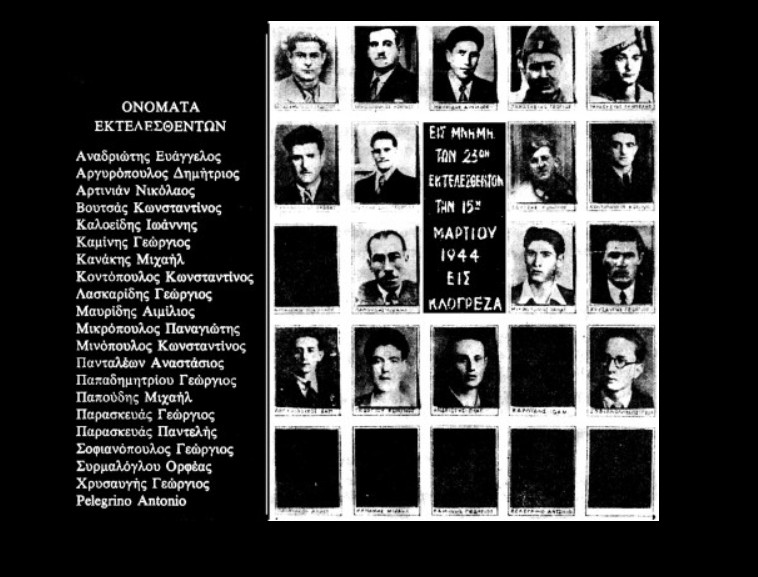
15 Μαρτίου 1944 – The Kalogreza Blockade
25 Ιουλίου 1944 – The sacrifice of Electra Apostolou
10 Οκτωβρίου 1944 – Liberation
The history of Heraklion, Attica, during the German Occupation is one of the most remarkable chapters in the city’s collective memory. From the lignite mines of Kalogreza to the fiery Resistance movement, the residents of Heraklion found themselves on the front line of the struggle for freedom, dignity, and democracy.
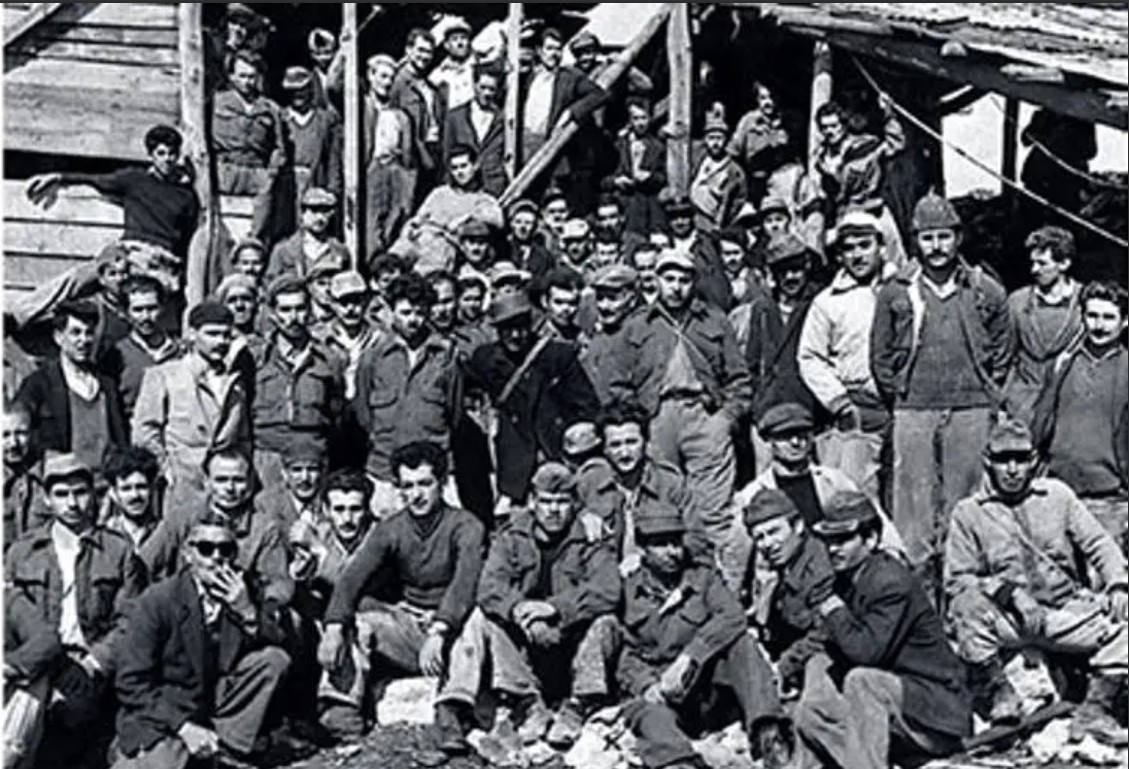
The lignite mines of Kalogreza and Heraklion began operating in 1940, shortly before Greece entered WWII. The mines became a cornerstone of the local economy, attracting workers from Euboea, Milos, and many other parts of the country. Kymis Avenue is named after the lignite miners who came from Kymi, Euboea. Lignite extraction emerged as a major source of economic growth, employing many residents, while the mines also acquired strategic importance during the nazi occupation.
After the German invasion, Heraklion was occupied by the Nazi forces. Its residents endured hardship, hunger, strict restrictions, and the constant threat of air raids. Public and private shelters were constructed throughout the city, where families often spent long and anxious hours seeking refuge during air raids.
In old Heraklion, there were at least four bomb shelters. One such shelter was located near St. Luke’s Square. It was a large, Z-shaped, underground space with high ceilings and three entrances, one at each corner. Inside, two rows of earthen benches, covered with rags, provided a resting place for children during nights when air raid alerts lasted for hours. There were at least three other shelters: one at the end of present-day Halkidos Street, a smaller one at the church of St. Luke, and a third on Alonion Street. There were also private ones, in the basements and courtyards of homes.
of the Occupation Forces
Heraklion’s historical ties to the Bavarian settlers, who arrived in the 19th century, gave the area particular significance in the eyes of the German forces. On May 6th 1941, shortly after Greece fell to the Germans, Heinrich Himmler, head of the SS, visited Ano Heraklion, where branches of his family ancestry could be traced.
According to local accounts, because of his ties to the area, Himmler donated 10,000 marks to the residents of Old Heraklion and instructed that they be “fed abundantly,” in stark contrast to the severe food shortages affecting the rest of occupied Greece. Himmler’s visit has also been associated with the broader objectives of the Nazi regime, which sought to strengthen the ideological ties between Heraklion’s Bavarian-descended residents and Germany. Furthermore, the area was under increased oversight and was soon designated a closely monitored zone under the occupation authorities.
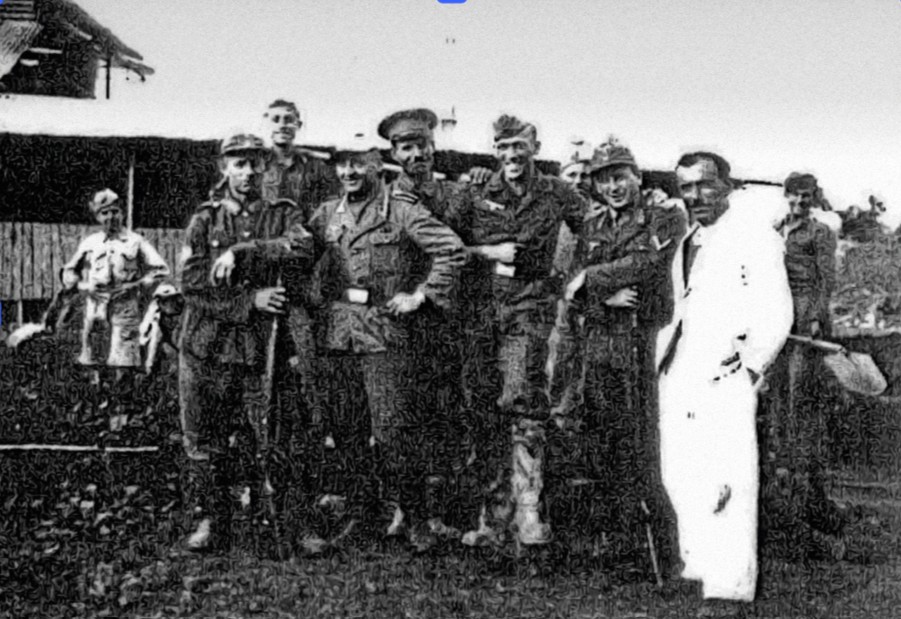
A substantial force of German and Italian troops was stationed in central Heraklion. Defensive trenches with sloping sides were constructed to conceal military vehicles, tanks, and fuel depots from Allied aircraft. At the same time, numerous homes and estates were requisitioned by the occupation authorities for military use. Moreover, during this period, responsibility for guarding the lignite mines was transferred from the Italian forces to the German army. Outside the mine entrances, children labored under harsh conditions—barefoot, hungry, and struggling to survive amid the hardships of occupation.
Despite the climate of fear and repression imposed by the occupation forces, a strong resistance movement emerged in Heraklion. The Organization for the Resurrection of the Nation (OAG) was particularly active in the area, working closely with British intelligence and taking part in major sabotage operations against German military targets.
A leading figure of the Organization was Yannis Bobotinos, who settled in Heraklion in 1941 and created a highly effective network of saboteurs against the occupiers. His close collaborator was the Russo-Polish Georgios Ivanof-Sainovits (Jerzy), one of the most prominent figures of the European Resistance during the Second World War. Together with Chief Physician Ioannis Moralis, deputy commander of the OAG and adviser to EDES, they carried out a series of daring sabotage operations. Among these, the sabotage at Tatoi airport in the summer of 1941 stands out — it inflicted serious losses on the German air force and led to the destruction of many ‘Stuka’ aircraft.
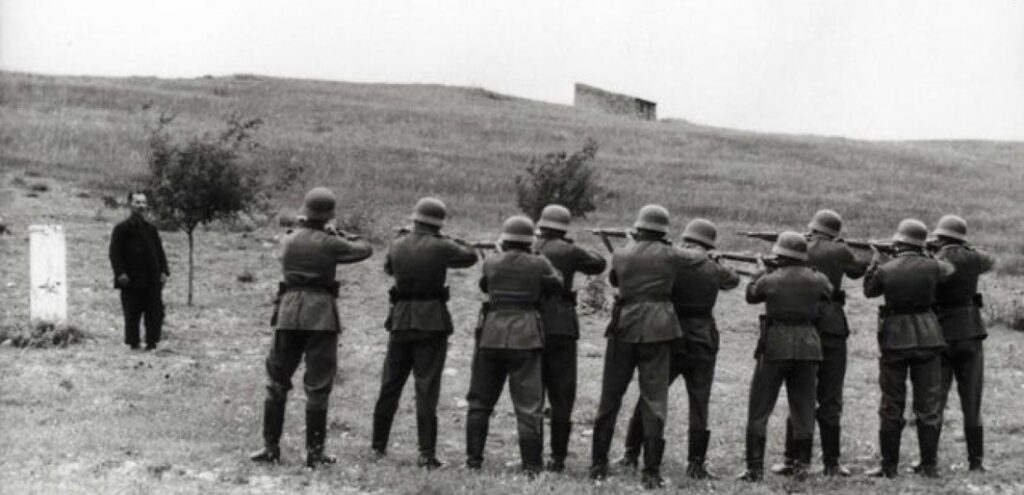
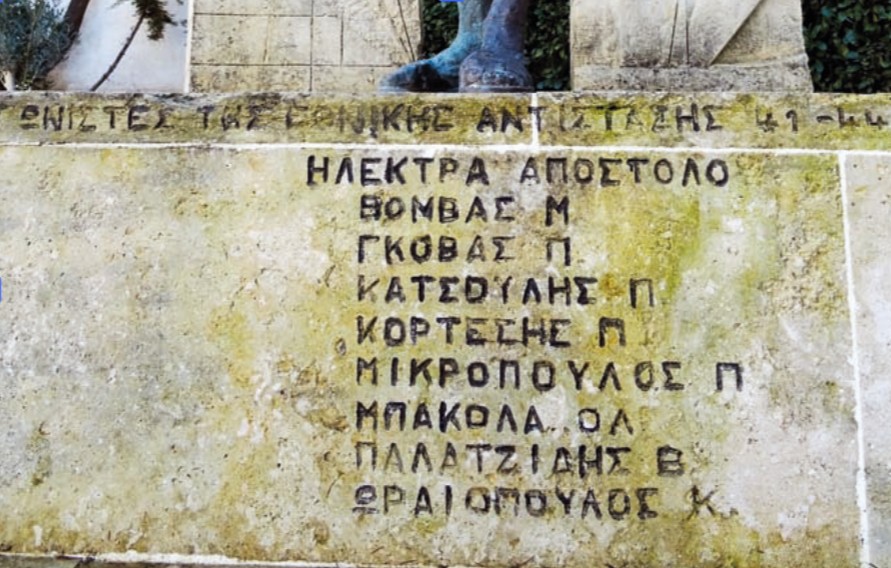
Many residents of the area took part in the struggle for freedom, often at great personal cost. Among them was Panagiotis Mikropoulos, a 19-year-old coal miner who was arrested, tortured, and ultimately executed during the Kalogreza Blockade, refusing to betray his fellow resistance fighters. At the same time, Kostas Oraiopoulos lost his life during the mass demonstration of 5 March 1943 in Athens, a landmark act of resistance that played a decisive role in preventing the Occupation authorities from imposing forced civilian conscription on the Greek population.
Together with countless other known and unknown resistance fighters, these men and women form an inseparable part of the historical memory of Heraklion, Attica. Their sacrifice and courage endure as powerful symbols of the struggle for freedom, dignity, and democracy.
A Symbol of Sacrifice and Freedom
Ανάμεσα στις εμβληματικές μορφές της Αντίστασης ξεχωρίζει η Ηλέκτρα Αποστόλου, της οποίας το πατρικό σπίτι βρισκόταν στο Ηράκλειο Αττικής, εκεί που βρίσκεται σήμερα το Πολύκεντρο στην οδό Κουντουριώτου.
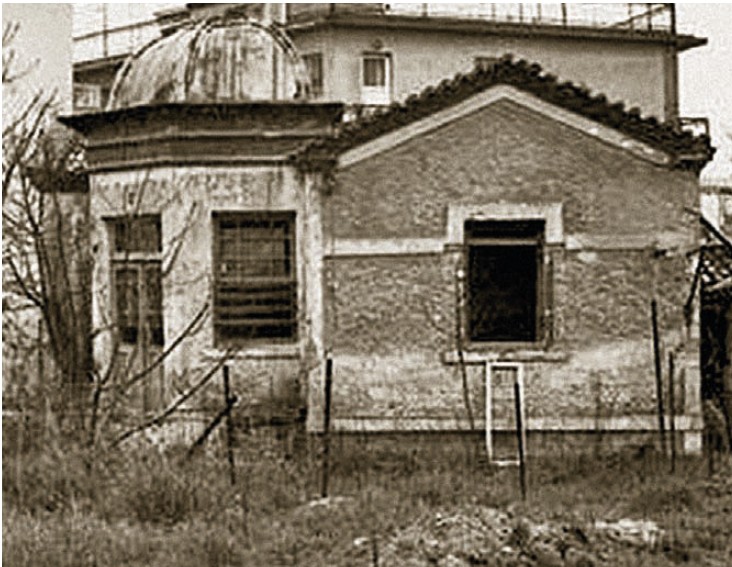
Her resistance activity was extensive and unwavering. Following her arrest on 25 July 1944, she endured severe torture at the hands of the Special Security police. Even under such inhumane conditions, she refused to betray her comrades.
The answers she gave her interrogators have gone down in history as a remarkable example of courage, patriotism, and self-sacrifice:
“— Where are you from?
— I am from Greece!
— Where do you live?
— In Greece!
— What is your name?
— I am a Greek woman!
— Who are your collaborators?
— All the Greek people!
— What is your occupation?
— I serve the Greek People!
— Whose orders do you follow?
— Only those of my Homeland!”
On 26 July 1944, forensic physician Petros Tzaferis conducted the autopsy and post-mortem examination of Electra Apostolou’s body, following its transfer from the “Kristal” Hotel. The report, which documents the severe injuries she sustained, remains one of the most powerful testimonies to her martyrdom. It states:
“The body was transferred to the morgue from the ‘Kristal’ Hotel by order No. 375 of the First Aid Station. Examination confirmed the presence of extensive injuries caused by repeated flogging with various instruments, including a whip, strips of ox sinew, chains, and braided wire, applied successively and with extreme violence. Additional injuries were consistent with suspension by the armpits, while burns had been inflicted both before and after death. Death is attributed primarily to the traumatic injuries, as the burns were of limited extent. Note: The identity of the deceased was verified through the Records Office, where she was registered under No. 59953.
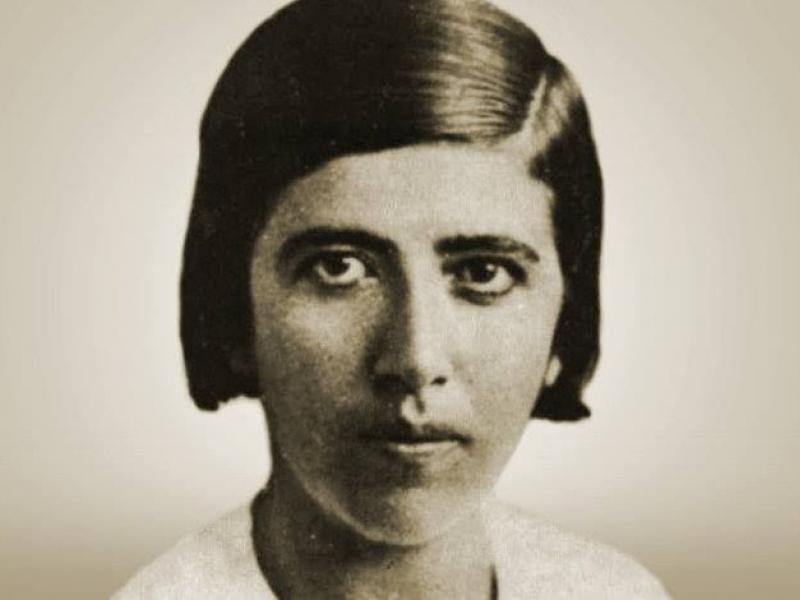
Electra Apostolou’s sacrifice endures as a powerful symbol of resistance to fascism and oppression.
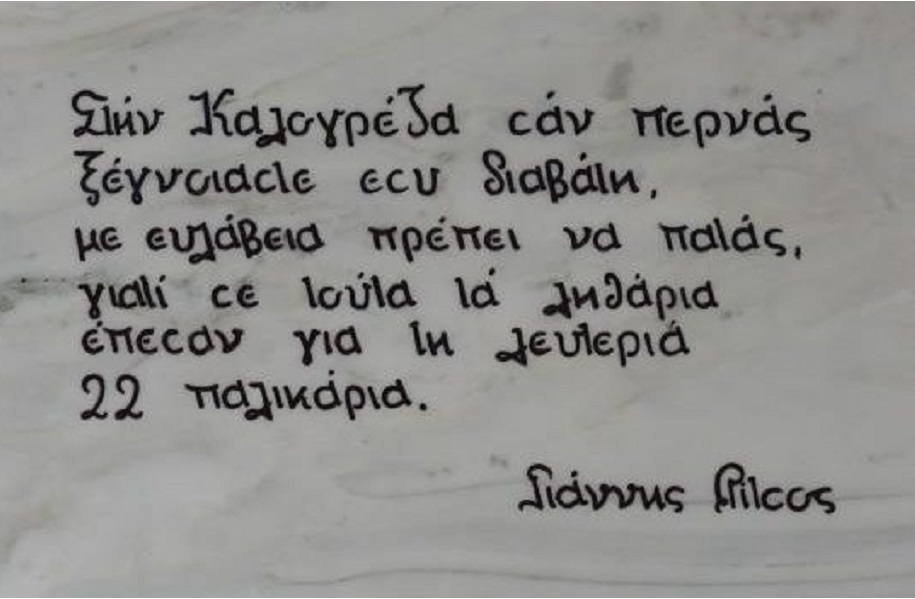
The Kalogreza Blockade of 15 March 1944 marked the darkest chapter of the nazi occupation in the area. German forces and their collaborators carried out mass arrests of residents and workers from the lignite mines. What followed was a wave of torture, executions, and persecution that claimed the lives of 22 resistance fighters.
The blockade left a profound and lasting imprint on the history of Heraklion. To this day, it stands as a powerful symbol of sacrifice, resistance, and collective remembrance.
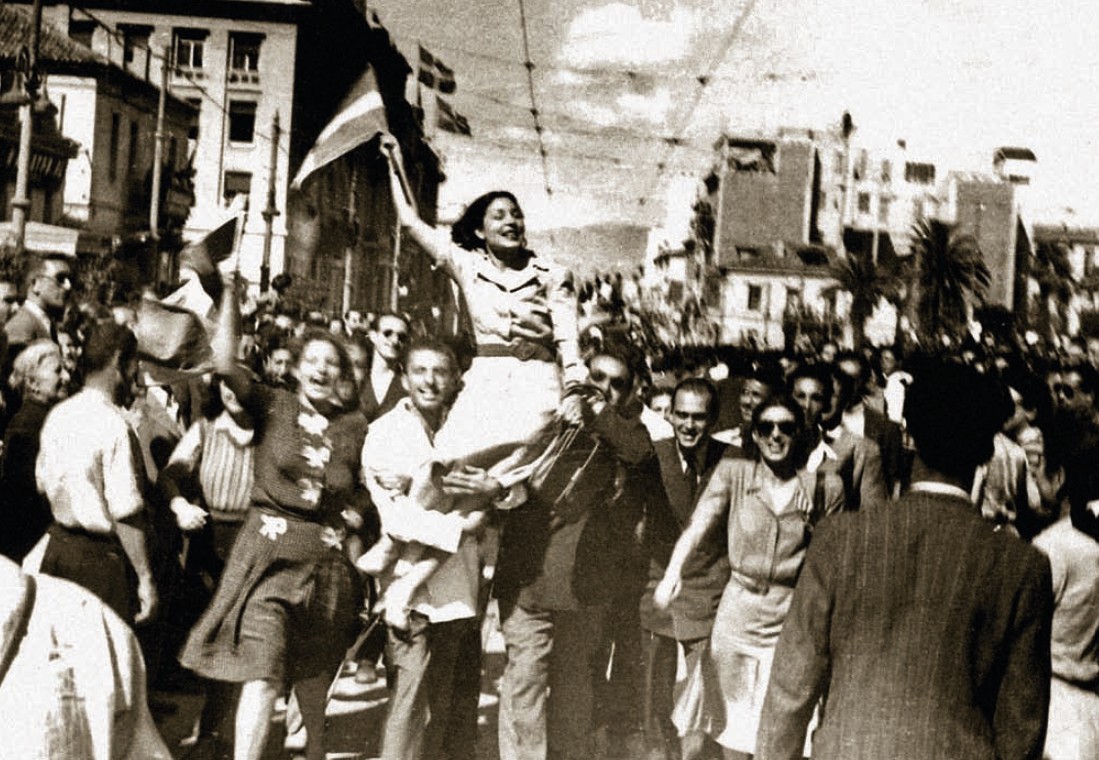
On 10 October 1944, German forces withdrew from Heraklion. Residents flooded the streets, as church bells rang in celebration, heralding the end of the Occupation.
After years of deprivation, fear, and sacrifice, the city breathed freely again. Yet the memory of those who resisted, fought, and gave their lives endured, becoming a lasting legacy for future generations.
Heraklion, Attica was not a mere bystander to the events of the Occupation. It was a place of fighting, resistance, and sacrifice. The lignite miners of Kalogreza, the resistance groups, the anonymous citizens, and the city’s known and unknown heroes all played a vital role in the struggle for freedom.
Preserving historical memory is not only a tribute to the past but a constant reminder of the values of democracy, solidarity, and freedom that we have a duty to uphold and defend today.